Get Your Free In-Home Personalization
Woven Woods Shades
Add warmth without making the window feel heavy. Our woven wood shades in Eagle, ID use distinctive natural materials with custom sizing and tailored light control for your space.
Woven wood shades are often chosen because of how they look. Natural fibers create texture that a flat synthetic fabric cannot reproduce in exactly the same way. Small changes in tone, weave, and material give the treatment depth, especially when daylight moves through it. But appearance is only the first decision. A woven material can be relatively open or provide greater coverage depending on the selected construction. That difference affects how much daylight enters the room and how much privacy the treatment provides.
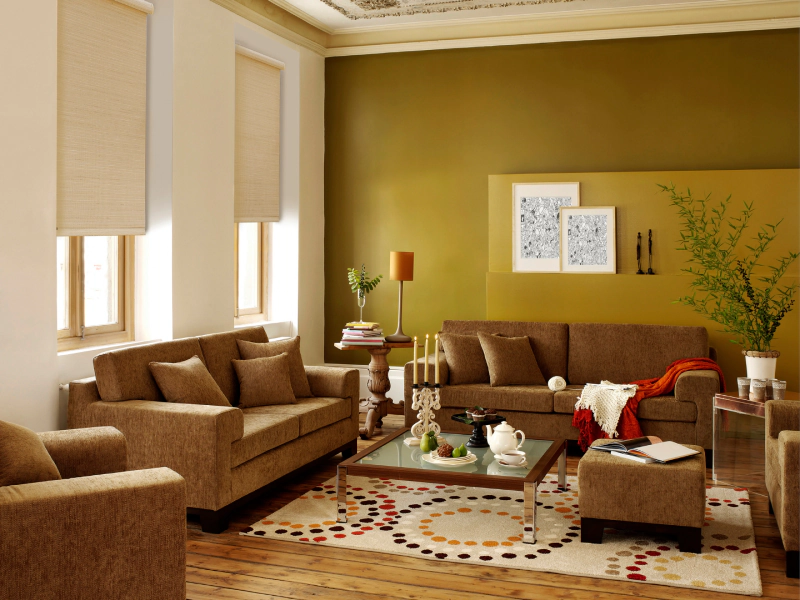
If you are considering woven wood shades for a bedroom, street-facing living room, or another space where privacy matters, the weave needs to be evaluated with that requirement in mind. Saddleback Shutters & Blinds does that evaluation in your home. During your free in-home personalization, we bring physical samples into the room and hold them near the actual window. You can compare texture, natural variation, light transmission, and how the material relates to flooring, furniture, cabinetry, trim, and other finishes.
The owner personally measures each opening. Every treatment is custom ordered specifically for your windows. Our family then completes the installation without subcontracting the work, keeping the material choice connected to the finished fit.
Woven shades are different from products designed to look perfectly uniform. Their character comes from the materials used to create the weave. Depending on the selected product, natural woven shades may incorporate fibers and materials that introduce visible texture, tonal variation, and an organic appearance. Those variations are part of what makes the treatment feel natural. Two sections of material may not present exactly the same grain, fiber, or tonal pattern.
For homeowners who want absolute visual uniformity, another shade material may be a better fit. For homeowners who appreciate variation in wood flooring, stone, woven textiles, cabinetry, baskets, or other natural materials, that individuality can be part of the appeal. We help you look at the shade as part of the whole room. A heavily textured weave can become a noticeable design element. A quieter material can add warmth without drawing as much attention. Neither approach is automatically right. The surrounding finishes determine how much texture the room can carry comfortably. Seeing the material at home helps make that distinction clearer.
Texture and openness are closely connected with woven window shades. An open weave can allow more daylight to move through the material and may create a lighter appearance at the window. A tighter weave changes that relationship. This is where the conversation needs to move beyond color. Ask what you need from the window.
Do you want natural daylight to remain part of the room?
Is the window primarily decorative, or does it face a neighboring property?
Will you use the room after dark?
Do you want the texture to be visible when sunlight passes through it?
Would stronger coverage be more useful than a more open appearance?
We discuss those questions before ordering. A material that looks appealing in a sample book can behave differently once placed in front of bright glass. We hold the sample at the actual opening whenever possible so you can see what the weave does with your daylight. That makes it easier to choose the material for both appearance and function.
One of the most important questions about woven wood shades is simple: will they provide enough privacy?
The answer depends on the material. An open natural weave may allow light and partial visibility through the treatment. That can create a beautiful effect during the day, but it may not provide the coverage you want in a bedroom or another privacy-sensitive room. Lighting conditions also change after sunset. A material that feels sufficiently screened during the day may behave differently when the interior is illuminated and the exterior is dark.
We discuss that before you select the weave. If privacy is a major concern, a tighter material or compatible liner may deserve consideration where available with the selected product. The purpose of a liner is not merely decorative. It changes how the shade controls visibility and light. That means the liner decision should be made together with the weave rather than added as an afterthought. We want you to understand what the complete treatment will do in the room at the times you actually use it.
A liner can change the performance of a woven shade significantly. Without one, the natural weave itself determines how much light and visibility pass through the treatment. With a compatible liner, greater privacy or light control may be possible depending on the selected product. That can make woven wood shades more practical for spaces where you want natural texture but need more coverage. Bedrooms are a good example. You may like the warmth and character of bamboo window shades or another woven material but still need stronger nighttime privacy. Rather than abandoning the material immediately, we can determine whether a lined configuration addresses the concern.
The tradeoff is that adding coverage changes the way light interacts with the weave. A material chosen for its luminous, open appearance will look different when paired with a more substantial liner. That is why we compare the complete configuration rather than showing you only the decorative face material. If darkness is the dominant requirement, a dedicated blackout custom roller shade or custom cellular & honeycomb shade may still be the more direct solution. We recommend according to the room.
Woven wood shades can change a room without relying on bold color. Texture does the work. This can be useful in spaces with smooth painted walls, large expanses of glass, clean cabinetry, stone surfaces, or other finishes that benefit from a softer natural counterpoint. The shade can also connect with materials already present in the home. Wood flooring, exposed beams, natural-fiber rugs, woven furniture, leather, stone, and warm cabinetry can all influence which woven material feels appropriate. That does not mean everything should match. In fact, trying to match every natural tone exactly can make the room feel overly coordinated.
We often look for a material that relates to the existing finishes without imitating them. A warmer weave may complement wood flooring while still providing enough contrast to remain distinct. A quieter neutral can introduce texture without competing with cabinetry. The right choice becomes clearer when we bring samples into the room. Natural materials should feel connected to the space, not pasted onto the window.
Woven shades and custom wood blinds both introduce natural character, but they do it differently. Wood blinds use solid horizontal slats. The grain, stain, paint, and slat structure create a defined architectural appearance. The slats can be tilted to redirect daylight and change privacy without raising the entire blind. Woven wood shades use flexible woven material. Instead of individual solid slats, the texture comes from the relationship between fibers throughout the shade. That produces a softer effect.
If you want defined horizontal lines, adjustable slat angles, and the appearance of solid hardwood, wood blinds may fit the room better. If you want organic texture, softer visual weight, and natural variation across a woven surface, custom woven shades deserve a closer look. Both can work in rooms with natural materials. The choice depends on how much structure or softness you want the window treatment to contribute. We can compare the two options in your home rather than asking you to decide from isolated product photographs.
Woven woods also differ from conventional fabric shades. A window shade installation can use fabrics selected specifically around opacity, color, texture, room darkening, or another performance goal. Woven woods place more emphasis on visible natural texture. The fibers and weave become part of the design. This makes them useful when a plain fabric feels too restrained but a hard blind or shutter feels too structured. The tradeoff is that natural materials require you to accept some variation. A manufactured fabric may offer greater visual consistency from one treatment to another.
Natural woven shades can have more individuality. Neither characteristic is inherently better. It depends on the interior. If your priority is exact color uniformity, a conventional fabric shade may be easier to coordinate. If you want texture and material variation to contribute to the room, woven woods may provide the character you are looking for.
Daylight can reveal the structure of a woven shade. That is part of what makes these treatments visually distinctive. When sunlight reaches an open or semi-open weave, the material may appear different than it does under interior lighting. Individual fibers can become more visible. Variations in the weave may become more pronounced. The overall color can shift depending on the direction and intensity of the light.
For this reason, we prefer not to choose woven materials from a showroom-style sample under artificial lighting alone. The treatment is going on a window. We want to see what the window does to it. During your in-home personalization, we hold samples near the glass and step back. We look at the shade from normal seating and standing positions. We compare how it relates to the room when illuminated. This approach helps you choose the texture with a clearer idea of how it will actually live in the space.
Cordless woven shades may be available depending on the selected manufacturer, product, dimensions, and configuration. A cordless operating system can provide a cleaner appearance by removing a dangling operating cord. Whether it fits the window depends on more than appearance. The shade still needs to be accessible for comfortable daily use. A standard-height window may work naturally with compatible cordless operation.
A tall opening or a window behind furniture may create a different situation. The size and weight of the woven material can also influence available operating options. We discuss these details during the consultation rather than selecting the operating system separately from the shade. The treatment should be comfortable to use once it is installed. If manual cordless operation fits the opening, we can explore the compatible choices. If accessibility makes powered control more practical, motorization may deserve consideration.
Motorized woven shades may be available with compatible products and operating systems. They can be useful when the window is high, difficult to access, or part of a group of treatments you want to adjust more conveniently. Motorization can also make sense when you expect the shade position to change frequently throughout the day. But natural texture does not automatically require technology. An easily accessible woven shade may be straightforward to operate manually. We consider the height of the opening, shade dimensions, accessibility, frequency of use, available controls, and budget before recommending motorization. If automated operation is one of the central goals of a larger project, we can also compare smart drapes or compatible roller and cellular shade options. The operating system should support the material choice. It should not dictate it unless accessibility makes that necessary.
Woven materials behave differently from rigid slats. The material has weight. It hangs. The selected construction needs to move evenly through its operating range. Precise measuring and installation help the finished treatment sit properly in relation to the opening. The owner personally measures each window and evaluates frame depth, trim, mounting surfaces, nearby hardware, and other conditions that can affect the installation. We determine whether an inside or outside mount better fits the opening and desired appearance.
The selected material and configuration are then custom ordered for the confirmed dimensions. Once the treatment arrives, our family completes the installation. We secure the hardware, position the shade, check the finished hang, and operate the lifting system to confirm that the woven material moves evenly. Compatible cordless or motorized components are tested as part of the installation. We never subcontract measurements or installation. With a material whose appearance depends so much on its natural texture and drape, we want control over the process from the first sample through the finished window.
We offer woven window treatment options from established manufacturers while keeping the material decision connected to your home.

Explore Norman Window Treatments to review available window covering collections and compatible natural-style options.

Explore Alta Natural Woven Shades to compare woven materials, textures, colors, and available configurations.
Online collections can introduce the possibilities, but woven materials benefit particularly from being seen in person. We bring relevant samples into your home so you can see the texture against your existing materials and actual daylight. Once you select the treatment, the owner personally measures the opening. Every shade is custom ordered, and our family completes the installation. Manufacturer warranties are backed by our local service if a covered issue needs attention later.
Our process begins with the room rather than a product catalog.
We consider flooring, furniture, cabinetry, trim, textiles, wall colors, and other finishes that influence which woven textures feel natural in the space.
We bring physical samples into your home and hold them near the actual glass so you can see color, texture, openness, and natural variation.
We discuss daytime and nighttime requirements and determine whether the selected weave provides enough coverage or whether a compatible liner should be considered.
Depending on the selected product, we compare compatible manual, cordless, and motorized options.
The owner personally measures the window and evaluates depth, trim, mounting surfaces, hardware, and clearance.
The woven treatment is special ordered according to the confirmed dimensions, material, privacy configuration, and operating system.
Our family installs the shade, checks the finished hang, and operates the treatment to confirm that it raises and lowers as intended. From consultation through installation, you work directly with our family.
Woven wood shades have a distinct reason for being in a room. They bring texture, variation, and a natural visual character to the window. If those qualities are not important to you, another treatment may provide a more direct answer.
For a room where reducing screen glare while maintaining an outward view is the main concern, solar roller shades may make more sense. For insulation at the glass, cellular shades deserve consideration. For adjustable solid slats and authentic hardwood, wood blinds provide another direction. For a permanent architectural treatment, plantation shutters may be a stronger fit.
And if you need strong darkness above everything else, a treatment designed specifically around blackout performance may be simpler than trying to make an open natural weave behave like an opaque fabric. Saddleback Shutters & Blinds has worked with window coverings since 2001. We use that experience to recommend what fits the room rather than pushing a particular material. Woven woods are compelling when their texture is part of the reason you want them. When another priority matters more, we compare accordingly.
Natural materials deserve a slightly different buying process.
A woven shade should look natural because the material belongs in the room, not because the room was forced to match the shade.
Privacy depends on the openness and construction of the selected material. Some weaves allow more visibility than others. Where compatible, a liner may provide additional coverage for privacy-sensitive rooms.
Yes, depending on your privacy and light-control requirements. A tighter weave or compatible liner may be appropriate. If strong room darkening is the main goal, we may also compare blackout roller or cellular shades.
No. Natural materials can vary in tone, fiber, texture, and weave. We recommend viewing physical samples in your home so those variations can be considered alongside your existing finishes.
Cordless woven shades may be available depending on the selected manufacturer, product, size, and configuration. We can compare compatible operating options during your consultation.
Motorized woven shades may be available with compatible products and control systems. They can be useful for high, difficult-to-reach, or frequently adjusted windows.

Bring the material decision into the room. We’ll compare woven textures, light levels, and privacy options beside your existing finishes.