Get Your Free In-Home Personalization
Window Shades Installation
The right shade depends on what happens in the room. Saddleback Shutters & Blinds provides window shade installation in Eagle, ID with custom fabrics, precise measuring, and light and privacy options selected in your home.
Choosing shades becomes easier when you stop looking at colors for a moment and start with the window. What happens there during the day?
A bedroom may need stronger light blocking for sleep. A living room may feel better with softened daylight instead of complete coverage. Direct afternoon sun can create glare across a television or work surface. A street-facing room may need privacy without feeling closed off all day. Those situations do not necessarily call for the same fabric.
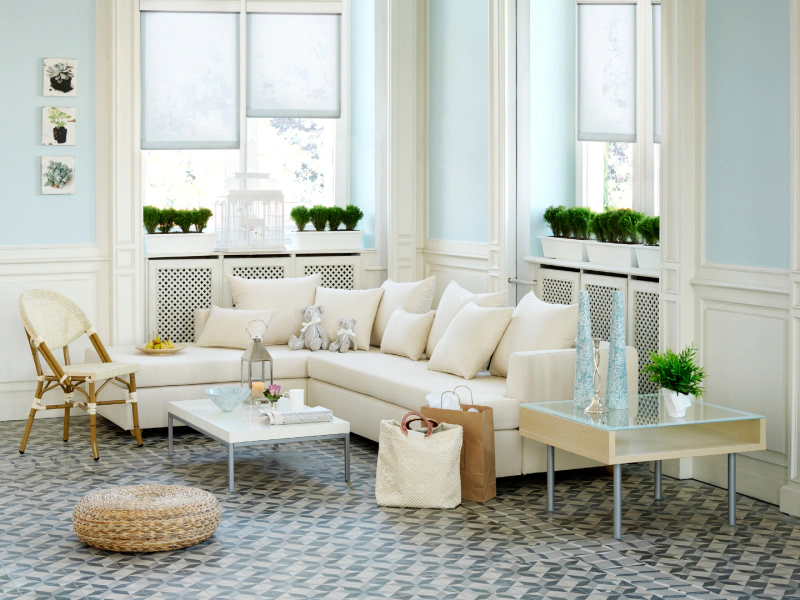
Saddleback Shutters & Blinds approaches window shade installation by identifying what each room needs before narrowing the product choices. During our free in-home personalization, we look at sunlight, privacy, temperature, maintenance, operation, interior materials, and budget. Then we bring the product decisions into that context. You can compare light filtering shades against more opaque fabrics at the actual window. We can discuss blackout window shades where stronger light control matters. If a shade will be difficult to reach or adjusted frequently, compatible motorized window shades may be worth considering.
The owner personally measures the openings at multiple points and evaluates mounting depth, clearance, trim, and surrounding hardware. Every shade is custom fabricated for its opening. Our family then handles the shades installation without subcontracting the work, keeping the project connected from the first discussion through the final adjustment.
Opacity is one of the most important shade decisions because it changes how the room feels and functions. A fabric that looks attractive in a sample book may still be wrong for the room if it allows too much light, blocks more daylight than you wanted, or does not provide the privacy you expected.
Light Filtering Shades
Light filtering shades soften incoming daylight rather than attempting to eliminate it. They can work well in living rooms, dining areas, kitchens, and other spaces where you want to reduce harsh brightness while keeping the room naturally illuminated. The exact effect depends on the selected material. Some fabrics create a soft glow. Others provide more substantial coverage. Color, weave, and opacity all influence how daylight moves through the treatment.
Blackout Window Shades
Blackout fabrics are intended for stronger light control. Bedrooms, nurseries, media rooms, and other spaces where reducing incoming light is a priority may benefit from this approach. But fabric opacity is only part of the result. Even a blackout material can have light entering around its edges depending on the mounting configuration and physical conditions of the window. If room darkening is important, we discuss both the material and how the treatment should relate to the opening.
Solar Shades
Solar materials focus more heavily on glare and solar exposure. They can reduce harsh sunlight and UV exposure while preserving varying degrees of outward visibility according to the selected fabric openness. That can make them useful in living spaces and home offices where you want relief from direct sun without covering the view completely. We compare these categories according to what the room actually needs rather than assuming darker fabric is always better.
One of the easiest ways to make a whole-home shade project disappointing is to choose one opacity for every window. Different rooms have different jobs. A primary bedroom may need stronger room darkening than the adjoining bathroom. A home office can require glare control while still benefiting from natural daylight. A family room may need UV protection for flooring and furnishings without losing its connection to the outdoors. That is why we plan custom window shades room by room. For bedrooms, privacy and sleep may lead the conversation.
For living areas, we might compare filtered light, glare, outward visibility, and how the fabric relates to furniture and finishes. For offices, screen position and direct sun can matter more than room darkening. For windows that contribute to indoor temperature changes, custom cellular shades may deserve consideration because their honeycomb construction creates insulating air pockets at the glass. For rooms where the goal is a streamlined treatment with solar control, custom roller shades can offer fabric choices built around glare, UV exposure, privacy, and visibility.
The objective is not to create unnecessary product variety. We can coordinate colors and materials across the home while still allowing each room to receive the type of coverage it needs. That gives you consistency without sacrificing function.
Shade fabric changes with light. A material viewed under showroom lighting or on a screen does not tell you exactly how it will appear in a west-facing room during the afternoon. That is one reason our personalization happens in your home. We bring physical samples to the space so you can hold fabrics near the actual window. You can compare how they respond to daylight, trim, flooring, cabinetry, paint, furniture, and other surrounding materials. Opacity becomes easier to understand this way.
A light filtering fabric can be viewed against bright daylight instead of judged from a description. A darker shade can be compared with the room’s existing finishes. Solar material can be held at the glass so you can get a better sense of how the view changes through it. Privacy also deserves consideration under real conditions. The amount of visibility through a treatment can change depending on the material and lighting conditions. Daytime and nighttime privacy should not automatically be treated as the same thing. We discuss these tradeoffs before ordering. Our goal is to narrow the options to what fits your room, not pressure you toward the highest-priced shade. If a simpler fabric and manual operation solve the problem well, there is no reason to add features the room does not need.
The way a shade is mounted changes both its appearance and performance. An inside mount places the treatment within the window frame when sufficient depth and appropriate mounting surfaces are available. This can create a more contained look and leave surrounding trim visible. An outside mount positions the treatment beyond the opening. This can be useful when frame depth is limited or when greater coverage around the window is desirable. For rooms where stronger light blocking matters, mounting beyond the opening may also help address some of the light that would otherwise enter around the treatment.
The decision depends on the window. We evaluate frame depth, trim, handles, locks, cranks, sill conditions, and other hardware before recommending the mounting approach. Measurements are taken at multiple points. This is important because openings are not always perfectly uniform. Even small irregularities can affect a custom-fabricated treatment, particularly when the shade is intended to fit closely inside the frame.
Older frames can make those differences more noticeable, but newer windows should not simply be assumed identical either. The owner personally handles these measurements for Saddleback Shutters & Blinds. Once the dimensions and configuration are confirmed, the shade is custom ordered specifically for that opening rather than adapted from a predetermined retail size.
Motorization can make a shade easier to use, but that does not mean every shade needs a motor. We start with how you expect to operate the window. A tall or difficult-to-reach opening can make manual adjustment inconvenient. A bank of several shades may be easier to manage with compatible powered controls. A room with changing sun exposure can benefit when treatments are simple to reposition throughout the day. Those are practical reasons to consider motorized window shades. Depending on the selected product and compatible system, controls may include remote or other supported operating options.
During installation, motorized units are tested for proper response. We also consider whether motorization is unnecessary. A shade at normal height that is easy to reach may work perfectly well with manual or cordless operation. Cordless window shades can create a cleaner appearance by removing dangling cords and may be particularly appealing in family spaces when compatible with the selected product and dimensions.
The right operating system should make sense for the window and your routine. We discuss control options during the consultation so they can be included in the original product configuration rather than treated as an afterthought. Motorization retrofits may also be available for compatible manual units, depending on the existing product and system.
Color matters, but it is only one part of shade selection. Fabric weight, texture, opacity, weave, pattern, and the way the material responds to backlighting can all change the finished appearance. This becomes especially important when designer window shades are part of a larger interior plan. A neutral fabric can either blend quietly into the room or introduce visible texture. A darker material can frame the window more strongly. A light shade can relate to trim and walls while allowing furniture or architecture to remain the visual focus.
The correct choice depends on what you want the window to contribute. We compare samples against the materials already in your home. Flooring, cabinetry, countertops, upholstery, paint, trim, and nearby wood tones can all influence the decision. In open floor plans, we can also consider how a shade looks from adjoining spaces rather than evaluating each window in isolation. This is where our consultative approach matters.
We have worked in the window covering industry since 2001, but experience is useful only when it helps simplify your decision. We explain what changes when you move from one fabric or opacity to another. We point out where a mounting choice may affect appearance. We discuss whether a room actually benefits from motorization, room darkening, solar fabric, or another feature. Then you can make the decision with the actual room in front of you.
Custom fabrication solves only part of the problem. A shade still needs to be mounted, adjusted, and tested correctly after it arrives. During shades installation, our family positions the mounting hardware according to the confirmed inside or outside mount configuration. The shade is installed, leveled, and tested through its operating range. Fabric should travel smoothly.
Roller-style treatments should move without unnecessary buckling or uneven behavior. Tension settings may need adjustment so the material stays properly positioned when partially lowered. Manual mechanisms are checked for smooth operation. Compatible motorized units are tested to confirm they respond correctly to their controls. These details matter because shades are moving products. A treatment may look correct immediately after it is mounted but still become frustrating if it rolls unevenly, does not hold its intended position, or operates inconsistently.
We address those details before considering the installation finished. Saddleback Shutters & Blinds does not subcontract the installation after personally measuring the windows. Our family stays responsible for translating the original plan into the finished treatment. Manufacturer warranties are also backed by local service if adjustments are needed later.
Our window shade installation process keeps the major decisions in a clear order.
We start by discussing what the window needs to do. That may include reducing glare, increasing privacy, improving room darkening, addressing solar exposure, coordinating with the interior, or making daily operation easier.
We bring physical samples into your home so you can evaluate opacity, texture, color, and material in the actual lighting.
We determine whether an inside or outside mount fits the window and the result you want.
The owner measures the opening and evaluates depth, trim, clearance, hardware, and other conditions that could affect fit.
Depending on the product, we can discuss manual, cordless, or compatible motorized operation according to accessibility and how frequently the shade will move.
Your shade is fabricated to the confirmed specifications rather than selected from standard retail dimensions.
Our family mounts the shade, checks alignment and tension, and tests the operating mechanism. This keeps product selection, measurement, ordering, and installation connected.
Shades and blinds both cover windows, but they control light differently. Custom blinds use adjustable slats. This gives you the ability to redirect incoming light and change privacy without necessarily raising the entire treatment. Shades generally use fabric or another continuous material. Instead of changing the angle of slats, you select the opacity, construction, and position of the shade to create the desired level of coverage.
That difference can guide the decision. If you want adjustable slats and a wood or faux wood appearance, blinds may fit the room better. If you prefer fabric, streamlined coverage, blackout options, solar filtering, or insulating constructions, shades may offer more relevant choices. Some homes use both. A home office may use blinds for directional control. Bedrooms may use blackout shades. A living area might use solar roller shades. Another room may use cellular shades where insulation matters. We would rather help you make those distinctions than install the same product everywhere simply because it is familiar.
A few decisions deserve extra attention before custom window shades are ordered.
These decisions are easier to make before manufacturing than after installation.
Light filtering shades soften incoming daylight while maintaining a brighter room. Blackout fabrics provide substantially stronger light blocking. The mounting configuration and physical window conditions can also affect how much light enters around the edges.
It depends on frame depth, mounting surfaces, trim, surrounding hardware, desired appearance, and the amount of coverage you want. We evaluate the opening before recommending the mounting approach.
They can be useful for tall windows, difficult-to-reach openings, multiple treatments, or rooms where shades will be adjusted frequently. We recommend motorization when it solves a practical operating need.
Fabric replacement and motorization retrofits may be available depending on the existing treatment and compatibility of the system. We can evaluate what you have before recommending whether an upgrade or replacement makes more sense.
The owner personally handles measurements, and our family completes installation. Saddleback Shutters & Blinds does not subcontract measurements or installation.

Show us where you need privacy, softer daylight, or less glare. We’ll bring shade samples and help you compare the options in your own space.