Get Your Free In-Home Personalization
Cellular & Honeycomb Shades
Windows can make a room feel noticeably warmer or cooler throughout the year. Our custom cellular shades in Eagle, ID add an insulating layer at the glass while giving you tailored control over daylight and privacy.
Some window problems are easy to see. Glare reflects across a television. Morning light enters a bedroom too early. A street-facing window feels exposed after dark. Temperature is different. You may notice that a chair near the window feels warmer during summer afternoons. In colder weather, the same part of the room can feel noticeably cooler than the rest of the space. The glass is part of that experience. Custom cellular shades are designed with internal honeycomb-shaped pockets that trap air within the shade. This creates an insulating layer at the window and helps slow heat transfer between the glass and the room.
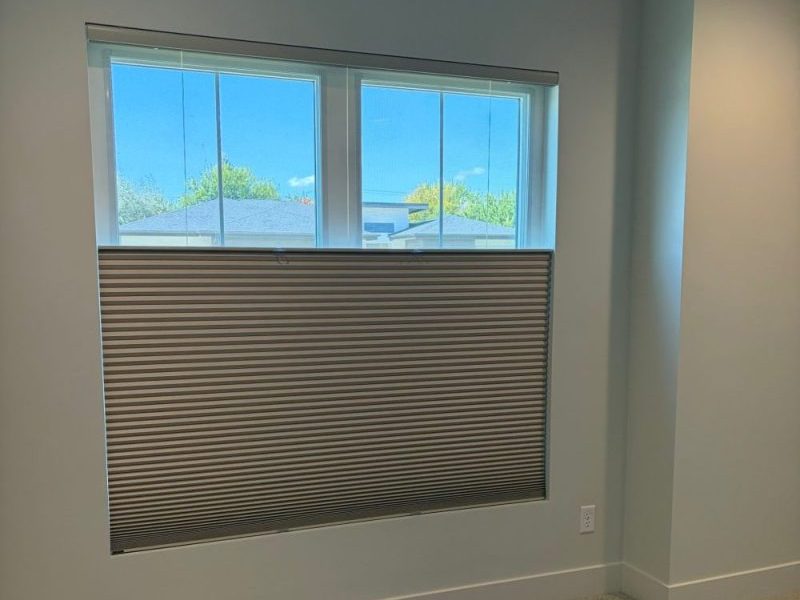
During hot weather, that additional layer can help reduce the effect of outdoor heat at the window. When temperatures fall, the same construction can help slow interior heat loss through the glass. That is why Saddleback Shutters & Blinds treats cellular shades differently from products selected mainly for appearance. We begin with the room.
During your free in-home personalization, we look at sun exposure, temperature concerns, privacy, desired light levels, operation, interior finishes, and budget. Then we compare honeycomb fabrics and configurations in the actual space. The owner personally measures each opening. Every treatment is custom ordered specifically for your windows, and our family completes the honeycomb shade installation without subcontracting the work.
The defining feature of a cellular shade is inside the fabric construction. When viewed from the side, the shade contains pockets or cells. Those pockets trap air. Instead of leaving the glass exposed directly to the room, the shade creates another layer between the interior and the window. That trapped air helps slow the movement of heat through the opening. This is what separates honeycomb shades from many other fabric treatments. A standard roller shade can provide excellent light and glare control depending on its fabric, but it does not use the same cellular construction.
A blind can redirect sunlight with adjustable slats, but its primary design is different. Honeycomb shades are particularly worth considering when insulation is one of the reasons you are covering the window. That does not mean a shade replaces the performance of the window itself or eliminates heating and cooling needs. It means the treatment can contribute another insulating layer at a part of the home where temperature transfer occurs.
The effect is useful in both directions. During summer, the shade can help reduce the impact of heat coming through the glass. During colder periods, it can help slow heat leaving the room through the window. For Eagle homes that experience seasonal temperature swings, this makes cellular construction relevant beyond its soft appearance.
Not every honeycomb shade is configured exactly the same way. Cell construction, fabric, opacity, dimensions, and available product options can influence how the treatment performs and looks. Some homeowners begin with the question of insulation. Others arrive at cellular shades because they want a soft fabric treatment with a clean profile. Many want both. During your consultation, we help separate the decisions.
First, we look at what you want to accomplish at the glass. If temperature comfort is the main concern, the insulating construction deserves greater attention. If privacy is the priority, opacity and how the shade covers the opening become central. If daylight is important, we can compare light filtering fabrics. If sleep or room darkening matters, blackout cellular shades may be more appropriate.
The dimensions of the opening also influence the available configurations. This is why every treatment is custom ordered rather than selected according to a standard retail size. We help you understand which available features matter for your window and which ones do not need to complicate the decision. The goal is not to load every possible option into one shade. It is to configure the treatment around the room.
Insulation and light control are separate decisions. You can choose cellular construction because you want an insulating layer at the window while still deciding how much daylight the fabric should admit.
Light Filtering Cellular Shades
Light filtering cellular shades soften incoming daylight rather than attempting to eliminate it. They can work well in living rooms, dining spaces, home offices, and other rooms where you want privacy and reduced brightness without making the space feel unnecessarily dark during the day. Fabric color and opacity influence the effect. A lighter material may create a brighter appearance, while other fabrics can provide greater visual coverage.
Blackout Cellular Shades
Blackout cellular shades use more opaque materials for stronger light blocking. Bedrooms, nurseries, media rooms, and other spaces where darkness matters may be candidates for this configuration. But blackout fabric does not automatically mean complete darkness. Light can still enter around the edges of a treatment depending on the mounting approach and the physical conditions of the window. If room darkening is a major priority, we discuss the relationship between the shade and opening rather than focusing only on fabric. That distinction helps set realistic expectations before the product is ordered.
A hot room can involve more than one window problem. Sometimes the concern is heat transfer at the glass. Sometimes direct sunlight is creating glare and solar gain. Often, both are happening. Cellular shades address the window with insulating pockets. That can make them a strong option when thermal comfort is high on the list. If the primary problem is intense direct sun and you want to reduce glare while retaining more of the outward view, roller shades with solar fabric may deserve comparison.
Solar shades approach the problem through fabric designed around sunlight and visibility. Cellular shades approach it through insulating construction and selected opacity. Neither solution automatically replaces the other. A west-facing office with screen glare may point toward solar fabric. A bedroom where the window feels cold during winter and strong room darkening is also desired may point toward a blackout cellular shade. A living room could have a different answer again. This is why we recommend window treatments room by room rather than selecting one product for an entire home because it solved one problem well.
Certain rooms make temperature differences easier to notice. A bedroom with the bed near a window can feel different during seasonal extremes. A home office where you spend several hours near the glass may make heat or cold more noticeable. A living area with substantial glazing can create another set of comfort considerations. Custom cellular shades can be used in these spaces without introducing a visually heavy treatment. When raised, the cellular material compresses into a relatively compact stack. When lowered, the shade creates a soft, continuous surface across the opening.
That makes it possible to address insulation while maintaining a streamlined appearance. Color and fabric still matter. During your in-home personalization, we bring physical samples so you can see how cellular materials relate to trim, flooring, furniture, cabinetry, paint, and natural light. The insulating function does not mean the design should be treated as secondary. A treatment you use every day becomes part of the room. We want the functional choice and the visual choice to work together.
Operation is another reason homeowners consider cellular shades. Cordless cellular shades eliminate a dangling operating cord on compatible products. Instead, the treatment is adjusted through the designed cordless mechanism. This can create a cleaner appearance and may be particularly appealing in homes where simplifying exposed cords is a priority. But operation should still be matched to the window. A shade at a comfortable height may be easy to adjust manually. A tall or difficult-to-reach opening can create another situation entirely.
The dimensions and selected product also affect which operating systems are available. We discuss these details before ordering so the operating method is part of the original plan. If cordless operation makes the window easier to use, we can explore the compatible options. If the opening would be more practical with motorization, we can compare that instead. The decision should follow your routine. You should not have to adapt how you use the room to the treatment.
Motorized honeycomb shades can make sense for windows that are difficult to reach or treatments that you expect to adjust frequently. Depending on the selected manufacturer and compatible system, control options may include remotes, smartphone applications, or integration with supported smart-home routines. The practical question is whether those controls improve how you use the window. A high opening over a stairway or behind furniture may be an obvious candidate.
A group of cellular shades that you want to adjust together may also benefit from compatible motorized operation. An easily accessible bedroom window may not need it. We do not treat motorization as an automatic upgrade. We consider accessibility, frequency of adjustment, window dimensions, product compatibility, and budget. For rooms where automation is the dominant priority but insulating cellular construction is not, custom roller shades or smart drapes may also be worth comparing. Our job is to determine which combination of material and operation solves the actual problem.
Cellular shades compress and expand as they move. That makes accurate sizing important. A shade needs appropriate room to operate within the planned mounting position without unnecessary interference. The owner personally measures the opening at multiple points and evaluates the available depth, trim, mounting surfaces, handles, locks, and other conditions around the window. We also determine whether an inside or outside mount better suits the opening and your goals.
An inside mount can create a contained appearance when sufficient frame depth is available. An outside mount can provide another solution where depth is limited or greater coverage around the opening is desirable. The measurements are used to custom order the shade for the individual window. We do not assume similar-looking openings have identical dimensions. Once the treatment arrives, our family handles the installation. We mount the hardware, check alignment, and operate the shade through its range to confirm the cellular fabric expands and compresses smoothly. Compatible cordless or motorized mechanisms are tested as part of the installation. A custom product should not only fit while sitting still. It needs to move correctly.
Cellular shades are not the only window treatment that can contribute to comfort near the glass. Plantation shutters create a structured layer across the opening when panels and louvers are closed. They also bring a more permanent architectural character to the window. Cellular shades take a different approach. Their honeycomb pockets are specifically designed to trap air, while the overall treatment remains soft and compressible. The design decision can help separate the two. If you want a treatment that becomes part of the architecture, shutters may be worth the larger commitment.
If you prefer fabric, a softer profile, compact stacking, and cellular construction, honeycomb shades may fit the room more naturally. Window shade installation also gives you access to other fabric categories when insulation is not the dominant requirement. We can compare these options in the same consultation. The goal is not to make every room use cellular shades just because temperature comfort matters somewhere in the home. Different windows can receive different treatments while maintaining a coordinated design.
We offer honeycomb shade options from established manufacturers while keeping selection, measuring, installation, and local support connected.

Explore Norman Portrait Honeycomb Shades to review available honeycomb shade fabrics, configurations, and operating options.

Explore Alta Honeycomb Shades to compare additional cellular fabrics, opacity choices, and configurations.
Manufacturer information gives you a useful starting point. Our role is to bring the relevant choices into your home and connect them to the actual window. We help compare opacity, color, insulating construction, operating systems, and mounting approaches before the treatment is ordered. Manufacturer warranties are backed by our local service if covered operational issues or adjustments arise later.
Our cellular shade process starts with the reason you are considering the treatment.
We discuss temperature changes, direct sunlight, privacy, room darkening, glare, appearance, and how frequently the shade will be adjusted.
We bring physical samples into your home so you can compare colors, textures, and opacity in the actual light.
We determine whether light filtering cellular shades, blackout cellular shades, or another available opacity better fits the room.
Depending on the product and opening, we can compare manual, cordless, and compatible motorized options.
The owner personally measures the opening and evaluates frame depth, trim, clearance, mounting surfaces, and hardware.
Every cellular shade is special ordered for the confirmed opening and selected configuration.
Our family completes the honeycomb shade installation and checks alignment, fabric movement, and the selected operating system before finishing. We never subcontract measurements or installation. That keeps responsibility for the product connected from consultation through final fit.
Cellular shades can help improve comfort at the window, but we do not want to turn that benefit into an unrealistic promise. They add an insulating layer. They do not replace properly functioning windows, heating systems, cooling systems, or the broader insulation of the home. They can help slow heat transfer at the glass. They do not guarantee a specific reduction in utility costs because energy use depends on many factors beyond the window covering. They can provide strong light control with the appropriate fabric.
A blackout fabric does not necessarily eliminate every trace of edge light. These distinctions matter. Our family has worked with window coverings since 2001, and we would rather explain what a product is designed to do than make a claim the room cannot support. If cellular construction addresses the problem, we can configure it appropriately. If solar glare, architectural appearance, or another issue is more important, we can compare a different treatment. That is what the in-home consultation is for.
A honeycomb shade performs better when the product is selected around the actual problem.
Good product selection starts by being clear about the problem you want the treatment to solve.
Honeycomb shades contain internal pockets that trap air between the room and glass. This creates an additional insulating layer that can help slow heat transfer through the window during both warm and cold conditions.
Blackout cellular shades are available for stronger light control, while light filtering cellular shades allow softer daylight into the room. Edge light can still depend on the mounting configuration and physical window conditions.
Yes, cordless cellular shades are available in compatible products and configurations. We can compare cordless operation with manual and motorized options according to the window and how you expect to use it.
Motorized honeycomb shades may be available with compatible controls, including remote, app, or supported smart-home options depending on the selected manufacturer and system.
They can work in many rooms, but we do not automatically recommend them everywhere. We compare insulation, privacy, light, maintenance, style, operation, and budget before determining which windows benefit most from cellular construction.
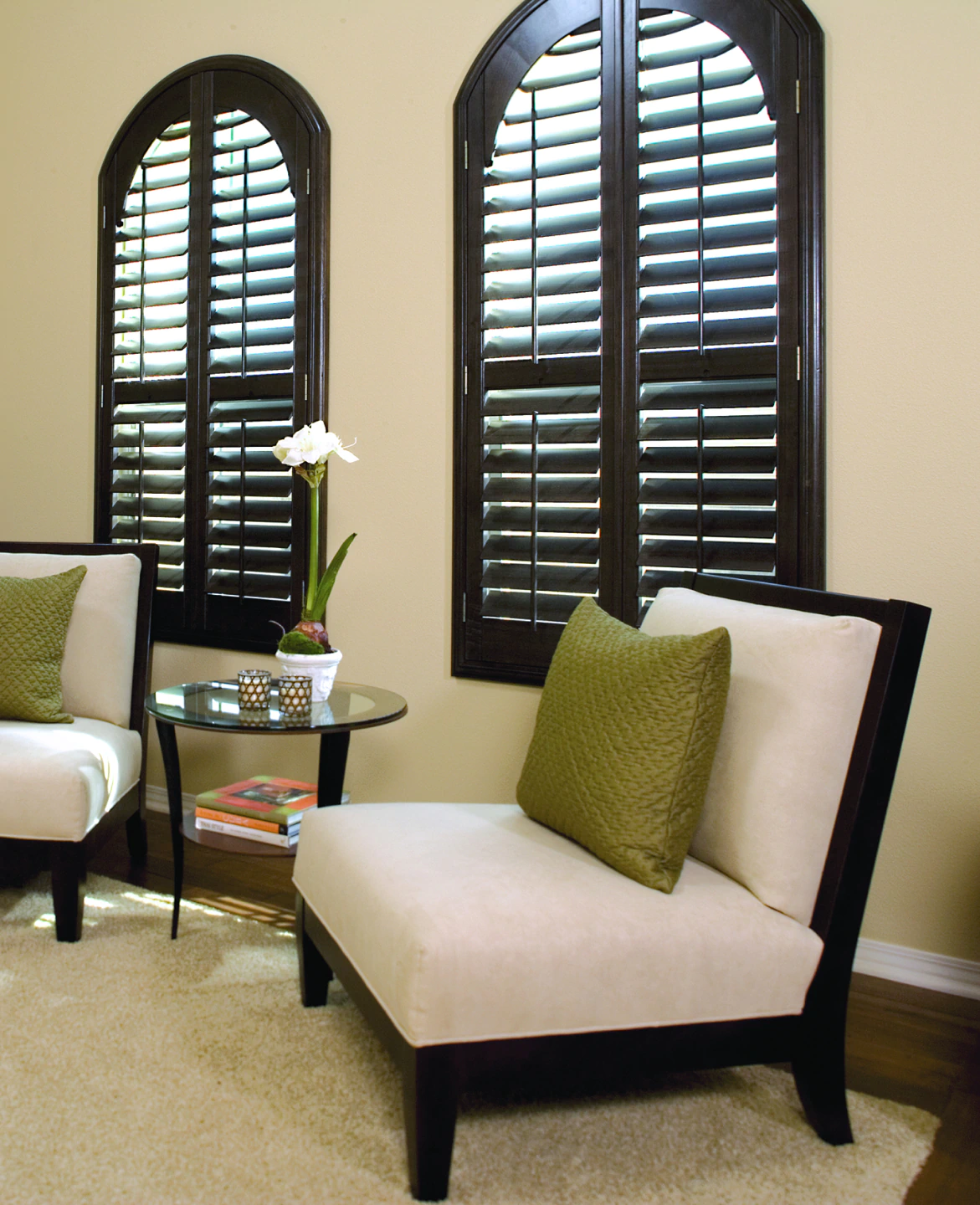
Show us where heat, cold, privacy, or light creates a problem. We’ll compare cellular fabrics and operation options in your own home.