Get Your Free In-Home Personalization
Sheer Shadings
Keep the daylight you enjoy while gaining more control over glare and privacy. Our sheer window shades in Eagle, ID combine soft fabric panels with adjustable vanes for changing light throughout the day.
Some rooms feel right because of their natural light. Covering the glass with an opaque treatment can solve a privacy problem, but it can also remove the brightness that made the room inviting in the first place. Leaving the window uncovered creates the opposite problem. Direct sun can become harsh. Outside sightlines may feel too open. Furniture and artwork remain exposed to daily UV. The room may be bright, but not always comfortable. Sheer shadings are designed for that middle ground.
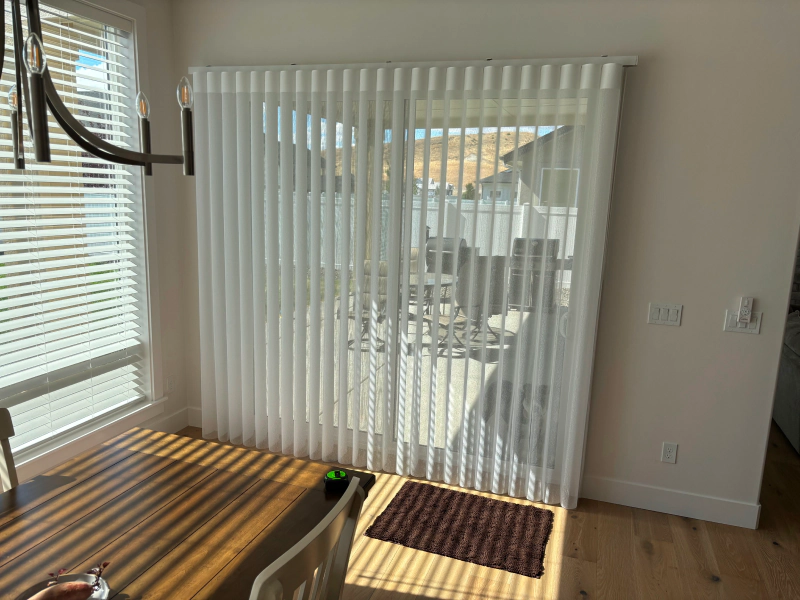
Sheer window shades combine soft fabric panels with horizontal fabric vanes. With the vanes open, the sheer material diffuses direct sunlight and softens the view through the window. As the vanes rotate, you can change the relationship between daylight, sightlines, and privacy. Saddleback Shutters & Blinds approaches these treatments by asking what you want to preserve about the room. During your free in-home personalization, we look at the direction of the window, intensity of the sun, privacy requirements, furnishings, interior style, operation, and budget.
We bring physical samples so you can see how sheer fabric behaves in your actual daylight. The owner personally measures each opening. Every treatment is custom ordered specifically for your windows, and our family completes the installation without subcontracting the work.
Sheer shadings do not behave like a conventional blind or a single piece of roller fabric. Their construction combines elements of both. Horizontal fabric vanes are suspended between sheer fabric panels. The sheer material softens incoming light, while the vanes can be repositioned to change coverage. When the vanes are open, daylight passes through the sheer panels and enters the room in a more diffused way. Rotate the vanes and the relationship changes.
Direct sightlines can be reduced as the vanes move toward a more closed position, giving you greater control over privacy without relying on a visually heavy treatment. That combination is what makes sheer shades for windows distinctive. The sheer fabric does part of the work. The adjustable vanes do another part. Together, they allow the treatment to respond to changes in the room without forcing you to choose between an uncovered window and a fully opaque surface every time the light shifts. We demonstrate this movement during the consultation because the effect is easier to understand at your own window than through a product photograph.
Bright and harsh are not the same thing. A room can benefit from substantial natural light while still becoming uncomfortable when direct sun reaches seating areas, screens, flooring, or furnishings. Light filtering sheer shades are designed to soften that experience. Instead of simply blocking the incoming light, the sheer panels diffuse it. This can create a more even appearance across the room and reduce the sharp contrast that comes from an uncovered window in direct sun.
Living rooms are a natural place to consider this effect. A bright gathering space may feel open and comfortable for much of the day but become difficult to use when sunlight reaches a particular seating area. Dining rooms can have similar needs. A home office may benefit from daylight but need relief from harsh brightness around a screen. Sheer shadings give you another option besides covering the window with an opaque material. The objective is to manage the daylight while keeping the character it gives the room.
Sheer fabric by itself should not be confused with complete privacy. The adjustable vanes are an important part of how sheer shadings change sightlines. With the vanes open, the treatment prioritizes diffused daylight and a lighter visual connection to the window. As the vanes rotate toward a closed position, they provide greater coverage and reduce direct visibility through the treatment. This makes sheer shadings useful in rooms where privacy requirements change throughout the day. A living room may feel comfortable with more openness during daylight hours. Later in the evening, you may want greater separation from neighboring properties or outdoor sightlines. The vane position can be changed without replacing the soft fabric character of the treatment.
We still discuss nighttime privacy specifically. Lighting conditions inside and outside affect visibility, and different fabrics and product configurations can behave differently. If maximum privacy is the overriding requirement, another treatment may be more appropriate. We would rather make that distinction during the consultation than ask a sheer product to perform like an opaque blackout shade.
Sheer shadings and horizontal blinds both allow you to adjust vane or slat positions, but they create very different experiences at the window. Custom blinds installation uses defined horizontal slats. Those slats can be tilted to redirect light and change privacy. Wood and faux wood blinds can create a structured architectural line and stronger material presence. Sheer shadings soften that concept. The fabric vanes sit between sheer panels, giving incoming daylight a diffused quality that hard slats do not create in the same way.
This can make custom sheer shades appealing when you like adjustable horizontal control but want a lighter visual effect. The room often helps us decide. A space with strong natural materials may benefit from custom wood blinds. A moisture-prone room may point toward custom faux wood blinds. A bright living area where softened daylight is the main goal may be a stronger candidate for sheer fabric shades. We compare what each product does instead of treating them as interchangeable styles.
Roller shades can also manage bright windows, but their fabric works differently. Roller shades use a continuous surface. A solar roller fabric can reduce glare and UV while retaining varying degrees of outward visibility. A light filtering roller fabric can soften daylight. A blackout roller fabric provides stronger room darkening. Sheer shadings add adjustable fabric vanes to the equation. That can make them appealing when you want the softness of filtered fabric with the ability to change the vane position throughout the day.
If reducing intense screen glare while maintaining a clearer outward view is the main problem, a solar roller shade may be the more direct solution. If you want soft daylight combined with adjustable horizontal vanes and a layered fabric appearance, sheer shadings may fit better. The visual effect also differs. Roller shades are deliberately restrained. Sheer shadings have more texture and dimension at the window. Neither approach is automatically better. We bring both kinds of samples when the decision would benefit from a side-by-side comparison.
Some windows do more than bring in light. They frame something you want to see. A yard, landscape, patio, garden, or open view can become part of the interior experience. Covering that window with a fully opaque treatment throughout the day may solve glare or privacy concerns at the cost of losing the visual connection. Sheer shadings provide another way to approach the opening. With the vanes positioned appropriately, the sheer material can soften incoming daylight while maintaining a lighter relationship with the glass.
The exact view depends on fabric, vane position, exterior conditions, and lighting. That is why we avoid promising an unrestricted view through every sheer product. Instead, we bring the material to the window. You can look through it from the place where you normally sit or stand. You can see what happens to the landscape. You can compare how much the sunlight softens. That in-room comparison gives you more useful information than a fabric name alone.
Repeated sunlight can affect furniture, flooring, artwork, textiles, and other interior finishes over time. Sheer shadings are designed with fabrics that filter UV while softening direct sunlight entering the room. That makes them worth considering in bright living spaces where you want to continue using natural light rather than keeping an opaque treatment closed. South-facing windows are one example. A room can receive significant daily exposure even when glare is not severe enough to make the space unusable. The concern may be the cumulative effect of sunlight on the materials inside.
Sheer fabrics place a filtering layer between that sunlight and the room. The treatment does not make furnishings immune to fading, and we do not present it that way. UV exposure is affected by many conditions. The shade provides another level of protection while also giving you control over brightness and sightlines. If UV and glare reduction are more important than the softness of the sheer aesthetic, solar roller shades may deserve comparison. The product should follow the priority.
Sheer shadings have a softer visual weight than many traditional window coverings. That can be useful when the room already contains architectural or decorative elements you do not want the window treatment to overpower. The layered fabric construction can work particularly well in transitional interiors where structured furnishings and softer materials appear together. It can also complement farmhouse-inspired rooms when the selected color and texture relate naturally to the existing finishes. But we do not choose sheer shadings according to a design label alone.
Your room matters more than whether someone would classify it as transitional, farmhouse, contemporary, or something else. We bring samples into the space and compare them with paint, flooring, trim, furniture, cabinetry, textiles, and the actual daylight. The sheer fabric can look different as the sun changes. A material that appears understated in a sample book may have more presence once illuminated across an entire window. Seeing that interaction before ordering helps you make the decision with the whole room in mind.
Sheer fabric can look delicate, but the treatment still depends on precise hardware and alignment. The fabric panels and vanes need to sit correctly across the opening. The rotational system needs appropriate clearance. The mounting hardware needs a suitable surface. The owner personally measures each window and evaluates frame depth, trim, locks, handles, mounting areas, and nearby obstructions. We also look at the overall height and proportions of the opening when selecting the treatment. Vane scale can affect how the finished shade looks across the glass.
The objective is for the fabric and vane pattern to fill the opening evenly without awkward visual breaks. Depending on the window, an inside or outside mount may be appropriate. An inside mount can create a contained appearance when the frame provides sufficient depth. An outside mount offers another approach where mounting conditions or coverage goals call for it. Every treatment is custom ordered from the confirmed measurements. We do not make the opening adapt to a standard-size product.
Sheer shadings depend on movement. A treatment may look beautiful when stationary, but it still needs to transition smoothly between its available positions. Once the custom shade arrives, our family completes the installation. We secure the hardware, position the treatment, check alignment, and operate the system through its range. The fabric should move without unnecessary binding.
The vanes should respond correctly as their position changes. The treatment should sit appropriately in relation to the window frame. If compatible motorization is included, we test the operating controls as part of the installation. Measurements and installations are never subcontracted. Keeping those responsibilities with our family allows the original plan for the window to stay connected to the finished result.
Motorized sheer shades may be available depending on the manufacturer, selected product, dimensions, and compatible operating system. Whether motorization makes sense depends on the opening. A high window can be difficult to adjust manually. A large treatment may be used more consistently when operation is convenient. A group of shades that needs to change position together may also be worth discussing.
Motorization can be useful in those situations. It is not required simply because the product supports it. For an easily accessible window that you adjust occasionally, a manual operating system may fit perfectly well. We look at accessibility, frequency of adjustment, window size, product compatibility, and budget before recommending powered operation. If automated fabric movement is one of the main goals for a larger opening, smart drapes may also be worth comparing. We choose technology according to the room rather than adding it by default.
We offer sheer shading options from established manufacturers while keeping product selection connected to owner-led measuring and family installation.

Explore Norman PerfectSheer Shades to review available sheer shading fabrics, vane configurations, and operating options.

Explore Alta Sheer Shadings to compare additional sheer fabric, color, and configuration options.
Manufacturer collections provide the product possibilities. We help narrow them around the room. During your in-home personalization, we compare relevant fabrics at the window and discuss how the vane positions affect daylight, privacy, and appearance. Once the treatment is selected, the owner personally measures the opening. We custom order the shade and complete the installation. Manufacturer warranties are backed by our local service if a covered issue requires attention later.
Our sheer shading process begins with the daylight you want to keep.
We discuss when direct sun reaches the room, whether glare is a problem, how much privacy you need, and whether preserving a visual connection outdoors matters.
We bring physical samples into your home so you can see how the material diffuses light in the actual space.
We demonstrate how compatible sheer shading products change as the vanes move from a more open position toward greater coverage.
We discuss daytime and nighttime expectations separately so the selected treatment matches the level of coverage you actually need.
Depending on the product and window, we compare compatible manual and motorized options.
The owner personally measures the opening and confirms the mounting conditions before the treatment is special ordered.
Our family installs the treatment, checks alignment, and tests the fabric and vane movement before finishing the project. We never subcontract the measuring or installation. That gives us control over the fit from the first sample through the final adjustment.
Sheer shadings occupy a useful middle ground, but that middle ground is not right for every window. A bedroom where darkness is the overriding concern may need a blackout treatment. A room where insulation at the glass is the main priority may point toward custom cellular & honeycomb shades. A window with severe glare where maintaining outward visibility is important may be better served by a carefully selected solar roller fabric. A bathroom or another space where moisture resistance carries more weight may need a different material entirely.
Sheer shadings make the strongest case when you value natural light and want more control over how that light enters the room. They soften. They diffuse. They allow adjustable vane positions. They can increase privacy as the vanes close. Those are specific strengths. Saddleback Shutters & Blinds has worked with window coverings since 2001, and we use that experience to compare the treatment with the actual conditions rather than recommending it because the fabric looks attractive in a sample. If sheer fabric solves the room, we will show you why. If another treatment fits better, we will show you that too.
The appeal of sheer fabric can make it easy to focus on appearance and overlook function.
The right sheer shade should preserve what you like about the room while changing what makes the window difficult to live with.
They provide adjustable privacy depending on the selected product and vane position. Closing the fabric vanes reduces direct sightlines, while more open positions prioritize diffused daylight. We discuss nighttime privacy separately.
Traditional blinds use hard or solid slats. Sheer shadings suspend fabric vanes between sheer panels, creating a softer light-filtering effect while retaining adjustable horizontal control.
The fabrics are designed to filter UV and soften direct sunlight, which can help reduce exposure reaching furniture, flooring, artwork, and textiles. No window treatment makes interior materials completely immune to fading.
They can work where softened daylight and adjustable privacy are the priorities. If strong room darkening is essential, we may recommend comparing blackout roller or cellular shades instead.
Motorized sheer shades may be available depending on the manufacturer, selected product, dimensions, and compatible operating system. We can determine whether motorization provides a useful advantage for the window.
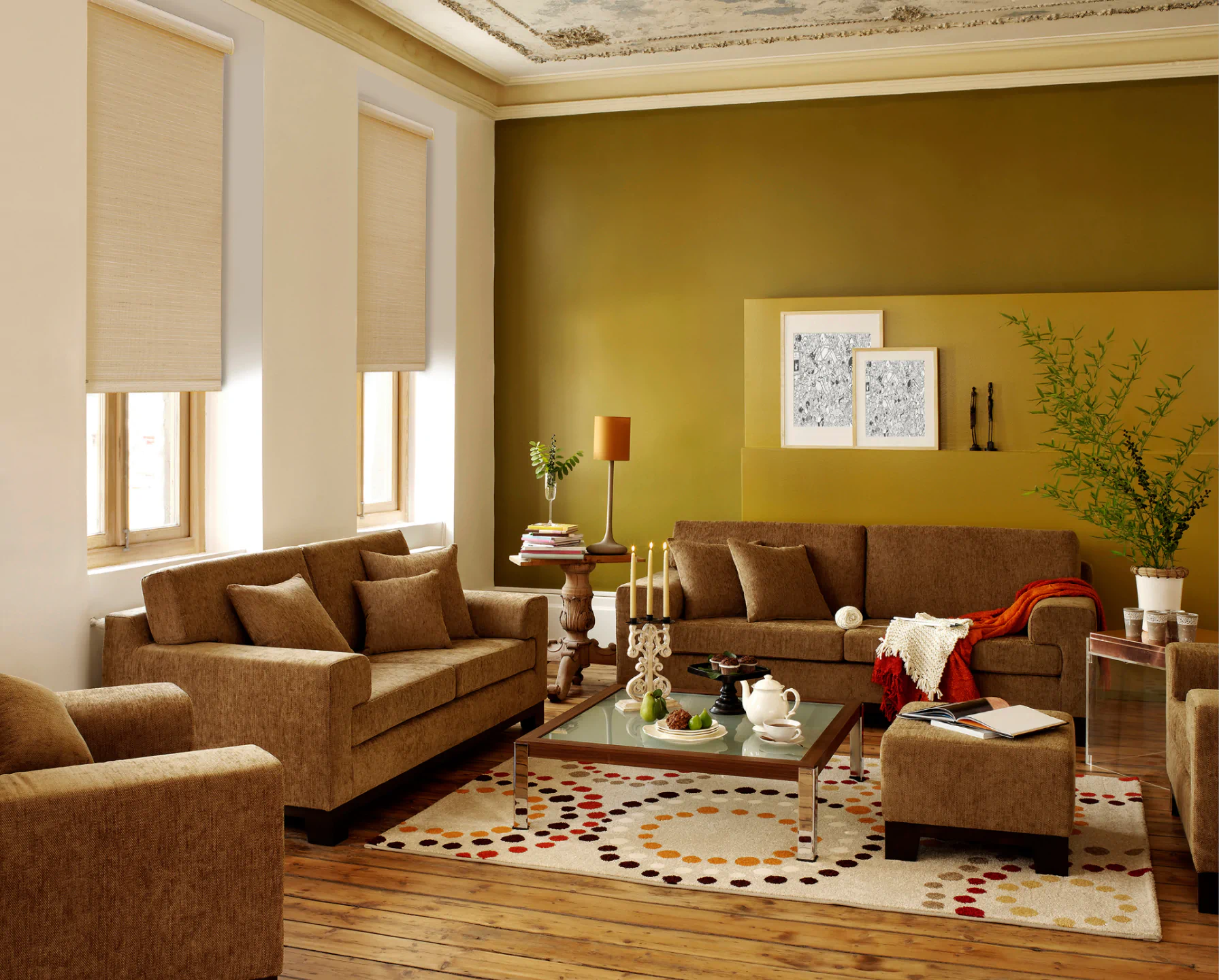
Bring us the window where you want brightness without harsh sun. We’ll show you sheer fabrics and vane options in the light you live with.