Get Your Free In-Home Personalization
- Home
- Hidden Springs, ID
Hidden Springs, ID
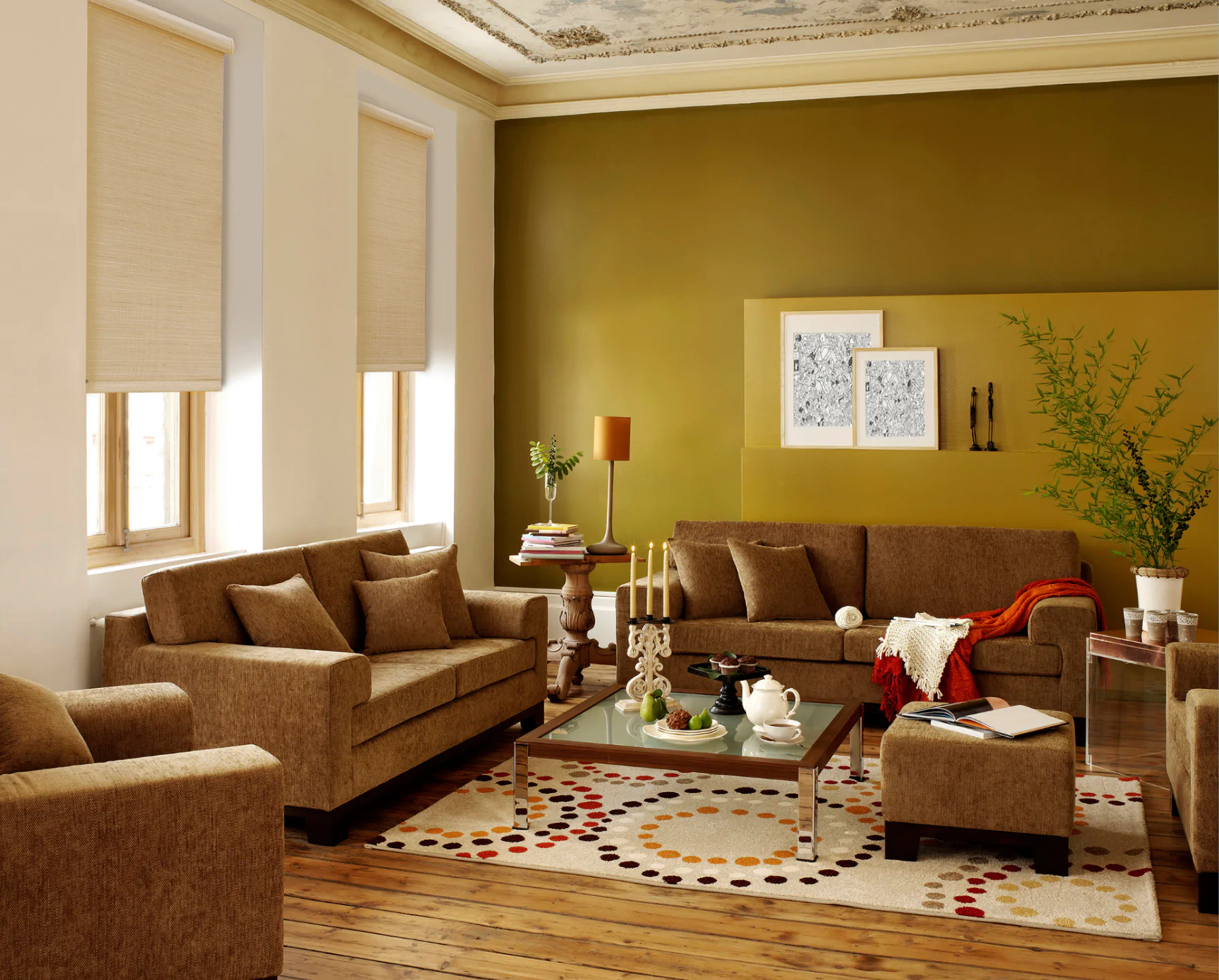
Distinctive windows deserve more than a standard-size covering selected because it happens to fit within the opening.
A window may be unusually tall. Several windows may sit together beneath a vaulted ceiling. The casing may be deep, decorative, or intentionally minimal. Angled openings can create their own installation requirements. Large open-concept rooms can make the proportions of a treatment more visible from multiple viewpoints.
These conditions affect both design and function.
A plantation shutter, for example, becomes closely connected to the window itself. Frame style, louver size, panel configuration, mounting position, and breakpoints can all influence how the finished treatment relates to the surrounding architecture.
A roller shade takes a different approach. Its cleaner profile can work well when the glass and view should remain visually dominant.
A cellular shade can soften the window while adding insulating construction at the glass.
For some tall or difficult-to-reach openings, motorization can make regular operation considerably easier.
There is no reason to force the same answer onto every distinctive window.
During our free in-home personalization, we walk through these decisions at the property. We look at trim, depth, ceiling height, neighboring windows, furnishings, materials, and how sunlight moves through the room.
That gives the architecture a voice in the selection instead of treating the window as a blank rectangle.
Few treatments interact with the architecture as directly as custom plantation shutters.
Rather than hanging loosely in front of the glass, shutters are fitted to the opening and become a more permanent visual element. That makes proportion especially important.
Louver size can change the appearance of the entire window.
Larger louvers can create broader sightlines and a cleaner visual rhythm on expansive openings. Smaller louvers create a different scale and may be more appropriate where the dimensions or design of the room call for it.
The frame deserves equal consideration.
We evaluate how a shutter frame will relate to existing casing and sill conditions instead of assuming one frame profile belongs everywhere. Panel configuration, hinges, divider rails or breakpoints, tilt operation, and surrounding clearances can also affect the finished result.
Specialty openings make this planning even more important.
Arches, angles, bays, and other nonstandard shapes require accurate measurements and layouts before manufacturing begins. These are not details we want someone else interpreting after the initial consultation.
The owner personally handles shutter measurements and opening layouts.
We can also compare wood and composite options according to the room, desired finish, upkeep, environmental conditions, and design. Samples are brought into the home so painted finishes or stains can be viewed beside the actual trim, flooring, cabinetry, and furnishings.
Plantation shutters also include a lifetime warranty, giving homeowners ongoing support for a treatment intended to remain part of the home for years.
Large glass creates a different design challenge from an ordinary bedroom window.
A treatment needs enough presence to look intentional without becoming the only thing you notice in the room.
In an open-concept living area, that balance matters from several directions. You may see the window from the kitchen, dining area, entry, and seating space. A treatment selected from a close-up sample can feel very different once it spans a large opening.
This is one reason we consider the room as a whole.
If the view is important, a streamlined custom roller shade may provide glare or light control without adding heavy visual structure. Solar fabrics can offer varying degrees of outward visibility while reducing harsh daylight and UV exposure.
If insulation is a stronger concern, custom cellular shades can add honeycomb-shaped air pockets at the glass while maintaining a relatively clean profile.
Plantation shutters can create a stronger architectural statement where the window itself should feel framed and finished.
The decision depends on what you want the window to contribute.
Some rooms benefit from making the treatment part of the architecture. Others look stronger when the covering remains visually quiet and allows the proportions of the glass to lead.
We help you compare both approaches before an order is placed.
Hidden Springs homes can include large windows, detailed trim, vaulted rooms, open floor plans, and openings that require more planning than a standard retail product provides. These treatments are particularly relevant to those conditions:
These treatments do not need to compete with one another.
A prominent living area may use shutters while an adjacent wall of glass uses roller shades. Cellular shades can serve private rooms where insulation and softer materials are priorities. Drapery can bring another layer of texture to a large space.
A coordinated home comes from thoughtful relationships between treatments, not from repeating one product regardless of the opening.
Motorization can be especially useful in homes with vaulted ceilings, tall glass, wide treatments, or multiple windows that need frequent adjustment.
The benefit is not novelty. It is access.
A shade positioned well above comfortable reach may be operated less often than intended if manual adjustment requires extra effort. Large open-concept rooms can also have several treatments that are easier to manage when their controls are planned together.
Depending on product compatibility, motorized systems may offer remote, wall control, application, or other supported control methods.
That does not mean every window should be automated.
A treatment beside a sofa at normal height may be perfectly convenient to operate manually. A guest room used occasionally may not justify added controls. Another window may benefit significantly because direct sun changes throughout the day and regular adjustment is part of maintaining comfort.
We discuss those differences rather than turning motorization into an automatic upgrade.
Power requirements, accessibility, product compatibility, window size, and how frequently the treatment will move should all be considered before ordering.
The aim is to make the room easier to live with.
If automation accomplishes that, we can plan for it. If a simple manual or cordless treatment fits the space better, we will say so.
Many window treatment decisions are made while standing directly in front of the glass.
That is not always where the treatment will be experienced.
In a large living room, you may see the windows from twenty feet away. In an open floor plan, the treatment can be visible from several adjoining spaces. A tall window can become part of a full wall composition rather than a single isolated opening.
We step away from the window during the selection process.
From farther back, proportions become easier to judge. You can see whether a louver size feels appropriately scaled, whether a roller shade keeps the room visually open, or whether a material introduces too much contrast.
Existing architecture also becomes more important at that distance.
Trim lines, ceiling height, fireplace materials, cabinetry, flooring, furniture, and adjacent windows all contribute to the visual balance.
Physical samples help us evaluate these relationships.
We can compare shutter finishes against casing, hold shade fabrics near the glass, look at how sheer materials respond to backlighting, and see how colors shift between direct daylight and shaded parts of the room.
That is one of the advantages of making these decisions at home rather than under showroom lighting.
The sample should work with your room, not with ours.
A specialty opening leaves less room for assumptions.
Angles need to be understood correctly. Frame depth can influence mounting. Decorative casing can limit available space. Handles, sills, nearby walls, and adjoining windows may affect how a treatment operates.
Large windows introduce another set of considerations involving product limits, support, hardware, alignment, and weight.
This is where precise window treatment installation begins long before installation day.
The owner personally takes the measurements and evaluates the opening for Saddleback Shutters & Blinds. We do not hand that stage to a third party after the design conversation.
Depending on the product, we may consider width, height, depth, squareness, mounting surface, clearance, casing, sill conditions, frame layout, hardware requirements, and operating path.
The treatment is then custom ordered specifically for those dimensions.
When it arrives, our family handles installation as well.
We mount, align, adjust, and test the treatment according to the system selected. Shutters are checked for panel movement, alignment, louver operation, and fit. Shades are tested for smooth travel and level positioning. Compatible motorized treatments are tested with their controls.
That continuity helps preserve the decisions made during the initial consultation all the way through the finished installation.
A large or distinctive window may be one of the reasons you like the room.
Covering it completely can solve a privacy or glare problem while creating a different one: the feature you wanted to preserve disappears.
That is why the amount of coverage matters.
Sheer window shades can be worth comparing when softened daylight and an airy appearance are priorities. Their construction allows light to interact with sheer material while adjustable components provide changing levels of control according to the selected product.
Solar roller shades create another balance by filtering harsh sunlight and UV exposure while preserving varying degrees of outward visibility.
Plantation shutters use adjustable louvers, giving you the ability to redirect light while keeping portions of the opening visually active.
Cellular shades take a more coverage-oriented approach and may make stronger sense when privacy, room darkening, or insulation is the primary objective.
Rather than asking which product gives the most coverage, we ask how much coverage the room actually needs.
A bedroom may favor privacy. A living room with a foothill-facing view may place more importance on daylight and visibility. A home office might need glare reduction at a particular time without staying covered all day.
The answer changes with the space.
A premium result does not require adding more decorative elements to every window.
Often, the strongest impression comes from restraint and accurate proportions.
A shutter frame that follows the casing correctly, a shade that sits level within the opening, hardware that does not distract from the treatment, and fabric that relates to the room can create a more finished appearance than adding detail for its own sake.
That is where measurement and design intersect.
Our process is built around evaluating the treatment in context before it is ordered.
We bring samples to the property and discuss the room while standing in it. We consider privacy, sunlight, insulation, maintenance, style, and budget. We look at the physical window conditions. We compare materials and explain the tradeoffs between them.
There is no pressure to choose the highest-priced option.
Not every treatment works in every room, and adding features that do not improve how the window functions is not our goal.
The strongest choice is often the one that feels obvious after installation because it fits the space so naturally.
A few observations can make the in-home conversation more productive, especially for larger or unusual openings.
These details give us a stronger foundation for the consultation.
You do not need to arrive knowing which treatment belongs on the window. Show us the room, explain what feels unfinished or inconvenient, and we can narrow the choices from there.
Certain specialty openings can be accommodated with custom plantation shutters when the shape, frame conditions, and selected system allow it. We measure and evaluate the opening before creating the layout or placing an order.
They can be useful when windows are tall, difficult to reach, frequently adjusted, or part of a larger group of treatments. We consider accessibility and everyday operation before recommending motorization.
Solar roller shades, sheer window shades, and plantation shutters can each offer different ways to manage daylight while keeping the window visually active. The right choice depends on glare, privacy, exposure, and how much visibility you want.
Yes. Treatments can be coordinated through material, finish, proportion, and color without being identical. Using different products can allow each opening to perform the job its room requires while maintaining a connected overall design.
The owner personally handles measurements and opening layouts. Saddleback Shutters & Blinds also performs the installation without subcontracting the work, keeping the project connected from consultation through final fit.

Mon – Fri: 8:00 AM – 7:00 PM
Sat – Sun: Closed
Tell us about your Hidden Springs, ID windows, architecture, or difficult openings. We’ll bring samples and help you compare tailored options in the space itself.